Meal-Prep Containers That Fit Your Lunch, Your Fridge, and Your Routine
Choose glass, plastic, or steel containers without buying a cupboard full of mismatched lids.
ChoiceLark may earn a commission from qualifying purchases through affiliate links, where used. How our links work.
In this guide
Sunday’s meal prep looks organized until the lids stop matching. By Wednesday, the soup container is too tall for the lunch bag, the salad box takes half a fridge shelf, and the one useful size is already in the dishwasher. A better container system begins with the meals and the spaces it must fit.
Choose the transport and reheating routine first, then compare materials. Glass, plastic, and steel all have useful roles, but no material automatically makes a container suitable for every appliance or every journey. This guide uses published care and food-storage guidance rather than leak or durability comparisons of individual products.
Measure one real lunch
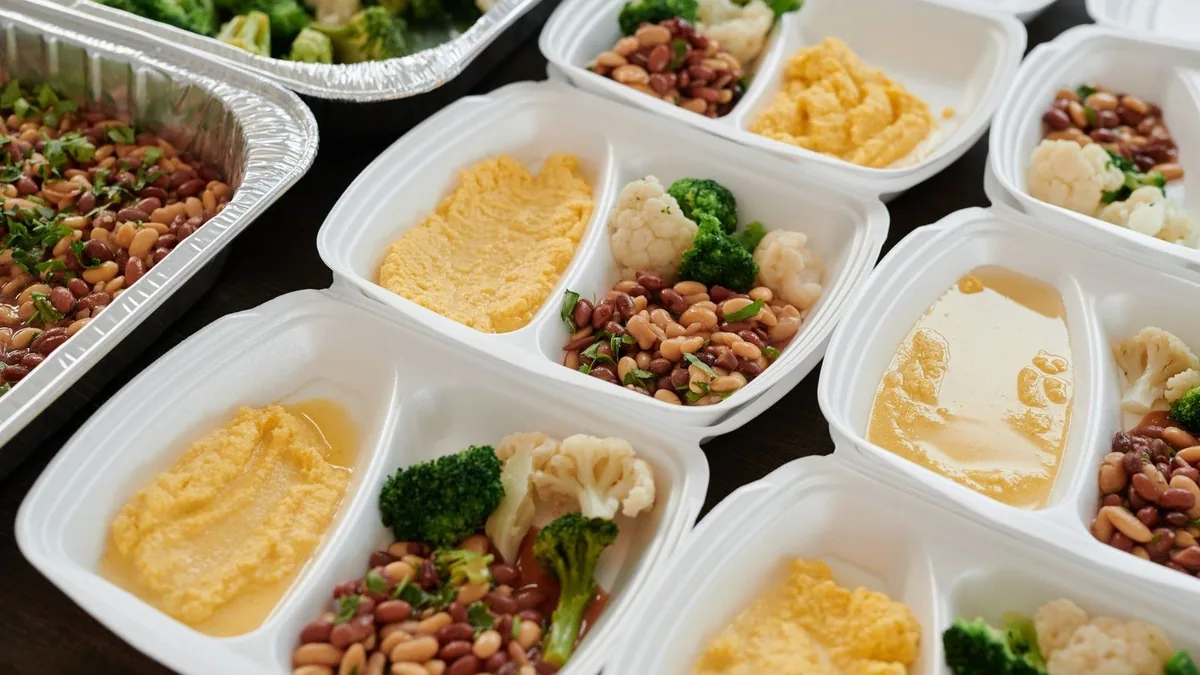
Use the meal you normally eat to judge capacity. A substantial salad needs a different shape from a portion of rice and vegetables. A container that is ideal for leftovers at home may be cumbersome in a commuter bag. Consider whether you need one main compartment, separate sides, or a small dressing pot.
Measure the lunch bag’s interior and the fridge shelf where the containers will sit. Check the height with the lid and clips closed. Rectangular shapes can use shelf area efficiently, while rounded corners may be easier to clean. The right choice depends on the space and food rather than a universal ideal shape.
Start with a few containers in one useful size. A large assorted set can be good value only when you have a purpose for its smaller and larger pieces. Otherwise, it moves the problem from the lunch bag to the cupboard.
Match the material to the journey
Glass can be appealing when you want a clear view of the contents and a container that is easy to clean. Its weight matters when you carry lunch on foot or public transport. Oven, microwave, freezer, and dishwasher suitability must be checked for the specific product, not inferred from the word glass.
Plastic containers can be lighter and easier to carry in multiples. Read the manufacturer’s approved uses and heating instructions, including any restrictions on lids or particular foods. Replace damaged components according to the care guidance rather than assuming every reusable container has the same lifespan.
Stainless steel may suit transport and foods eaten without reheating in a conventional microwave. Do not put metal containers into a microwave unless the exact appliance and product instructions expressly permit the use. For most ordinary lunch routines, plan to transfer the food to suitable cookware if needed.
| Routine | Material or format to consider | Main compromise |
|---|---|---|
| Lunch carried on a long commute | Lightweight approved reusable plastic | Check heating and care restrictions |
| Leftovers mainly eaten at home | Suitable glass storage | Weight and careful handling |
| Food eaten cold away from home | Steel or suitable plastic | Reheating may require another dish |
| Soup or dressing in a bag | Specifically leak-resistant design | Seal cleaning and closure checks |
Treat the lid as a separate specification
The container body and lid can have different heat limits and care requirements. Read both. A glass dish that is approved for an oven does not make its plastic lid oven-safe. A microwave instruction may require removing, loosening, or venting the lid in a particular way.
Look at how the seal is cleaned. Removable gaskets can provide access but also create a small part to keep track of. Hinges and clips should be straightforward to inspect. If you carry soup, look for an explicit claim for that use and follow the closing instructions; a lid that merely rests on top is not a travel seal.
Check whether replacement lids or seals are available. A small system with replaceable parts may be easier to keep useful than a large set that becomes mismatched after one damaged lid.
Make cooling and reheating part of the plan
USDA guidance recommends dividing leftovers into shallow containers and refrigerating promptly so they can cool more quickly. Buying one very deep tub for a large batch may therefore be less practical than several appropriately sized portions. Follow current food-safety guidance for your food and situation.
Glass also has handling limitations. Pyrex’s U.S. care guidance warns about sudden temperature changes, impact, and hot cookware. Do not assume a frozen dish can move directly into a hot oven or that hot glass belongs on any nearby surface. Follow the instructions supplied with the exact item, which can differ across products and markets.
When reheating, use suitable equipment and the food-safety guidance appropriate to the meal. A container’s convenience features do not replace checking whether the food has been stored and heated safely. Our countertop cooking guide explains why cookware and appliance compatibility need separate attention.
Make storage easy when the boxes are empty
Nested containers save cupboard space, but inspect how easily they separate. A set that stacks with lids attached may be convenient in the fridge and bulky when empty. Decide whether lids will stand in a divider, sit in a shallow drawer, or stay paired with their containers.
Keep the system visible enough to use. Two useful sizes and a clearly defined lid space often work better than a tower of miscellaneous pieces.
Do not replace every container at once if some still work well. Buy a small number, run them through your real commute, washing, and storage cycle, then expand the system if it solves the problem.
Questions before checkout
Is glass always better than plastic?
No. Glass may suit home use and some reheating routines, while lighter containers may be easier to carry. Compare the exact product’s approved uses and the weight of a complete packed lunch.
Do compartments prevent all leaking between foods?
Not necessarily. Some dividers separate solids without sealing liquids. Look for explicit information about the internal seal if sauces or wet foods must remain separate.
Should I buy a full week’s containers immediately?
Try a few first. You need to know whether their dimensions, closure, cleanup, and storage suit your routine. A repeat purchase is easier than finding room for a large set you dislike.
The best meal-prep container is easy to fill, carry, identify, clean, and use again. Buy for that complete cycle, and the lunches become simpler without the cupboard becoming more complicated.
Sources and further reading
- USDA FSIS: Handling leftovers safely.
- Pyrex: Product safety and usage instructions.
- FoodSafety.gov: Four steps to food safety.
Source information checked November 10, 2026. Container instructions and food-safety requirements take priority over general shopping guidance.
TAKE THE NEXT STEP
Compare the options that fit your routine
Use the criteria in this guide to narrow your shortlist. Check the exact model, dimensions, current price, seller, and return policy before you buy.
Browse options on Amazon ↗This link opens a retailer search. Results and availability can change.