A Coffee Corner That Earns Its Counter Space
Build a small-kitchen coffee setup around the mornings you really have.
ChoiceLark may earn a commission from qualifying purchases through affiliate links, where used. How our links work.
In this guide
There is a version of the morning in which you carefully grind beans, weigh water, and enjoy the whole process. There is another version in which you have nine minutes before leaving and someone else needs the kitchen. A good coffee corner should suit the morning you have most often.
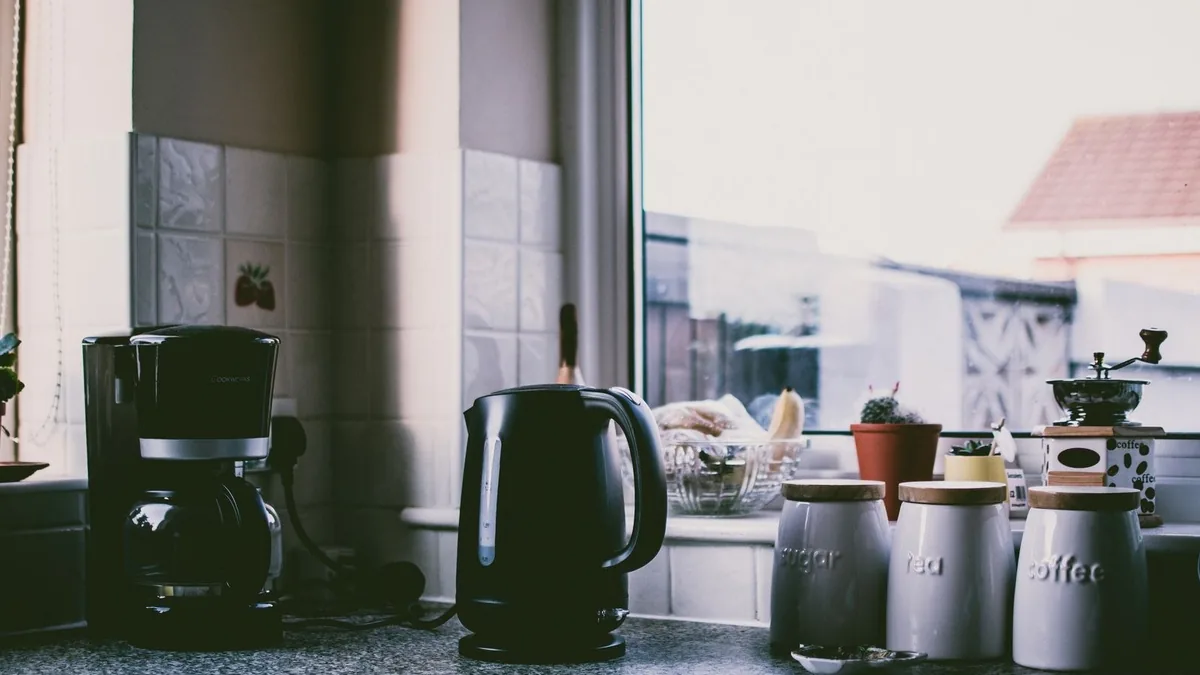
Small kitchens make that distinction useful. A machine occupies more than its advertised footprint once you include a grinder, mug, beans, water access, and somewhere to put wet parts. Before buying, decide how many cups you make, how much attention you want to give them, and what cleanup you will reliably do.
Pick the routine before the machine
If you brew one cup and enjoy the process, a manual pour-over setup may be enough. It can be compact to store, although the dripper, filter, kettle, and mug still need working room while brewing. The National Coffee Association describes pour-over as a hands-on method that offers control but asks for attention and technique.
If two people want coffee while breakfast is happening, an automatic drip machine can be easier to integrate. Compare usable batch size, carafe access, and the process for filling and cleaning it. A large maximum capacity is not automatically useful when you usually make a small amount.
Espresso deserves a separate commitment. Think about the grinder, preparation area, milk workflow if relevant, and cleaning after each use. A compact espresso machine may still demand more surrounding space than a larger-looking simple brewer.
Measure the working footprint
Measure width, depth, and height under cabinets. Then add the movement the equipment needs. Can the lid open? Does a water reservoir lift out vertically or slide sideways? Is there enough room to remove the drip tray without moving everything else?
Keep the manufacturer’s clearance and ventilation requirements in mind. Do not treat a narrow shelf or enclosed cabinet as suitable simply because the machine fits. Check the route to the outlet and avoid positioning cords where water handling will make them inconvenient or unsafe.
Try laying out your current mug, kettle, and coffee container in the proposed area. If the setup takes over your only food-preparation space, consider a method that stores in a cupboard between uses. A coffee corner should not make dinner harder.
| Your usual morning | Brewing approach to consider | What takes extra space |
|---|---|---|
| One cup with time to pay attention | Pour-over | Kettle, filter, and a place for the wet dripper |
| Several cups while doing other tasks | Automatic drip | Lid clearance, reservoir access, and carafe |
| A simple immersion routine | French press | Kettle and a practical grounds-cleanup plan |
| Espresso as a regular hobby | Espresso machine and suitable grinder | Preparation tools, milk supplies, and cleaning |
Decide whether a grinder improves your routine
Grinding coffee at home adds control and another daily task. Consider it if you want to adjust brewing and will use the grinder regularly. Check the grind range needed by your brewing method, access for cleaning, and how beans move through the machine.
A grinder that suits filter coffee may not offer the adjustment you want for a particular espresso workflow. Verify those requirements before buying equipment separately. Avoid spending on a grinder because it appears in every attractive coffee photograph; the purchase should have a clear purpose in your brewing routine.
If you prefer buying coffee ground for your method, use that approach without building an unnecessary accessory collection. Consistency, sensible storage, and clean equipment can be more useful starting points than changing several variables at once.
Plan the cleanup while choosing the equipment
Removable parts should be easy to reach and clean according to the manufacturer. Check whether a carafe, filter basket, or milk component is dishwasher-safe rather than assuming it. Consider whether the sink has room for the pieces and whether they have somewhere to dry.
Descaling requirements can depend on equipment and water conditions. Follow the machine’s instructions for the product and process to use. A cleaning reminder is helpful, but it does not make the cleaning automatic. NCA guidance emphasizes following the specific care instructions supplied with brewing tools.
Leave a small, washable area for drips instead of covering the whole counter in decorative accessories. If the tray itself is awkward to lift and wash, it can become another chore. Keep only the supplies used daily within reach; spares can live elsewhere.
Buy the smallest useful accessory set
A scale can support repeatable measurements for methods where that control interests you. A timer may already be on your phone. A storage container should fit the amount of coffee you actually buy rather than encourage stockpiling.
Skip a separate milk tool if your normal drink does not need it. Skip a collection of drippers until you know what you want to change about the one you have. Matching canisters and trays are optional; access, stability, and cleaning matter first.
The same space-first thinking helps with other countertop decisions. If a second cooking appliance is competing for the same area, read our air fryer or toaster oven guide before buying both.
Coffee-corner questions
Is manual brewing always the cheapest choice?
Not necessarily once you add a kettle, grinder, scale, and other tools. Compare the complete setup you intend to use, including filters and maintenance supplies, rather than the brewer alone.
Should I buy a machine with a built-in grinder?
It can reduce separate objects, but check cleaning access, adjustment options, and service implications. Combined equipment ties two jobs to one purchase. Separate pieces may be easier to change individually.
How can I make a tiny setup look organized?
Store occasional-use accessories, keep cables tidy, and leave enough clear space to make a cup comfortably. An arrangement that is easy to reset usually looks calmer than one filled with matching objects.
Start with a method you are happy to use on a rushed weekday. Once that works, add only the tool that solves a specific limitation. The coffee corner has earned its place when it makes the morning easier as well as more enjoyable.
Sources and further reading
- National Coffee Association: Pour-over coffee and the brewing process.
- National Coffee Association: Keeping single-serve equipment clean.
Source information checked November 10, 2026. Brewing suggestions are editorial guidance; no taste comparisons or machine performance measurements are claimed.
TAKE THE NEXT STEP
Compare the options that fit your routine
Use the criteria in this guide to narrow your shortlist. Check the exact model, dimensions, current price, seller, and return policy before you buy.
Browse options on Amazon ↗This link opens a retailer search. Results and availability can change.